Congrats! Now it does get tricky - because once you tempt investors with a profit they start worrying about your spending and expect you to keep a profit.
Right, but for those they need to make/move/collect a large amount of transparent material, like heavy water etc for the particles to interact with. But they get that 'for free' with the ice.
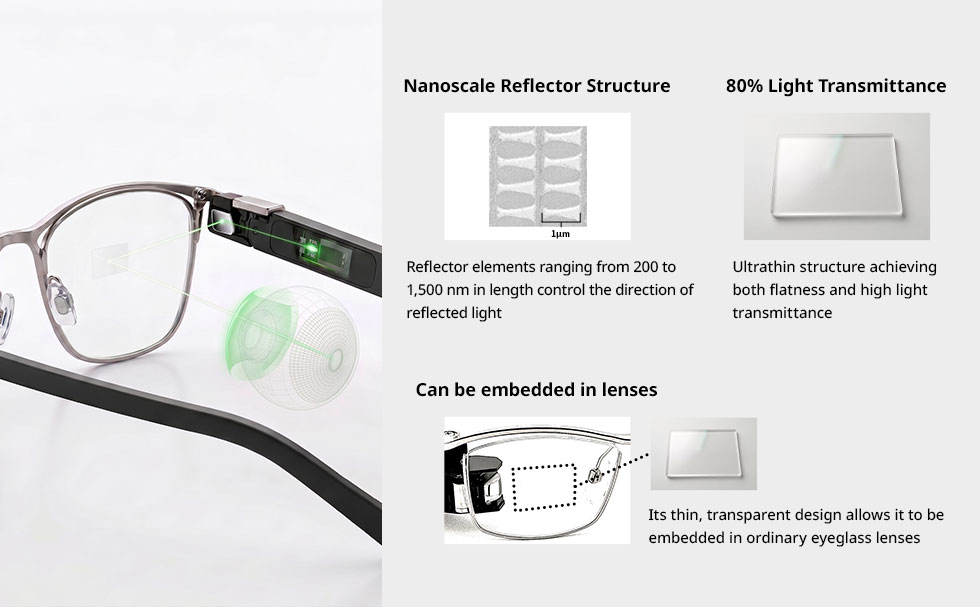
This picture (with English text) has a bit of the detail showing their reflector structure, which is also in one of the pictures of your Japanese page:
It's got history! That's really unusual for moves to open-source; the dates on the earliest commits are in 1990 and they do go forward in time so that's really unusual to have that much history. I bet there's some fun stuff in there.
Tcl/Tk has got to be the easiest GUI system out there; you can get simple stuff going with no effort - nothing I've seen comes close to that simplicity.
The current main project for Tk, targeting the 9.2 release next year, is porting to work on Wayland. (But not dropping support for X11, Windows or macOS.) Apparently, the widget demo is now working (i.e., you could probably build some applications on it) but advanced features like accessibility support are still in progress.
It was nice/workable for its time, and one wishes that there was some modern alternative, but "RAD" seems to have dropped off the radar.
Some things I've tried/looked into (beyond TCL/TK):
- Gambas --- Linux only, not sure if there's a nice visual UI builder
- LiveCode --- still salty about the license rug pull, wish the openxtalk folks could get some traction
- MoonBasic --- looks promising, but currently trying....
- flet.dev --- the AI-integration in this makes it quite compelling, though I wish that there was an integrated UI drawing tool, https://github.com/raffieeey/Flet-Visual-Builder is self-described as buggy and hasn't seen an update in 7 months
- Lazarus --- still bummed I never got anywhere with Delphi --- if flet.dev doesn't work out, may try it
Too much rat wrestling. You could bang out a few lines of Tcl in your editor and have a working GUI. Even stub out the commands that widgets run, tweak and reload until it behaves right, then add those back for a working program. Absolutely nice for providing a visual interface for your Unix scripts or programs, or for building whole applications in if you're daring.
To be more pedantic that was taken from Motif layout managers, and old school VB did have layout managers available, however a large majority only dragged and dropped from the toolbox.
What proportion of commercial LLM use is classification? I'm just wondering what happens to business AI spending/data centre usage when they realise they don't need full LLMs.
I'd expect the vast majority at this point is coding. Classification is a thing but in my experience tends to run on light, cheap models, not the proprietary frontier ones.
We've stopped upgrading the models of our classification workflows for >1 year at this point, meaning they're running acceptably on early/mid-2025 models. That said I believe there is a long tail of non-production-ized users who throw this into their everyday LLM chats.
In one of my client projects we've had to do forced upgrades of LLM models because of deprecations (I believe three or four of them over the course of 2 years). Each time our internal benchmarks have shown REDUCED performance after upgrading to "better" models.


reply