I guarantee you that every investor knows they are not knowledgeable about technical details. So, they have a person on call that they’ve designated as their technical advisor (or even entrepreneur-in-residence, depending on how much the investor is paying this person).
The problem is there’s no incentive for this advisor to admit they are out of their depth because the money will stop flowing: some flavor of “if you can’t help me on this, then what am I paying you for?”.
Experienced investors, a.k.a. those who have previously been burned and learned from it will have multiple technical advisors categorized by their past career specializations.
The other investors will continue to rely on the advice of one jack-of-all-trades with questionable results.
I've been that advisor. You'd be surprised how often investors are straight-up conned by founders into becoming hype men for broken-by-design businesses as soon as the advisors are out of the room.
That's not because investors are idiots. A little bit of it is because a certain amount of credulity/faith is a necessary skill in that business. But most of it is just because humans are fallible and trickable in general. Advice from an expert can only help with that so much.
What AI has largely changed is how the communication barrier (or perception thereof) is dealt with between two sides: one which consists of those who perceive gatekeeping or attribute their lack of substantive progress to it, and the other side which consists of the time, resources, and skills the former feels entitled to or indebted towards.
I’ve had a running theory for a few years now that some tech folks are more open to receiving an error message from a compiler or other tool, than they are to critical feedback from a peer. If they’re blocked and finally have exhausted their other avenues (pre-LLM: web searches, forums, etc), they’ll reluctantly engage with a peer, and do so with extremely limited patience.
The first paragraph of this reply is extending that theory to non-tech —-> tech, but replace compilers with LLMs that _appear_ to be more useful (or at least busy) working with what limited context you provide them, especially when it’s insufficient.
It won’t quite tell you your app idea is unrealistic or that the implementation is nearly impossible, but after burning a bunch of time and tokens, those people will eventually get the point.
Bright lighting is typically an artifact of the commercial property insurance policy in effect (namely, "Protective Safeguards"). It's asking you to demonstrate that you've done enough to create a barrier towards theft/loss.
It doesn't have to be really bright lighting but that's the easiest thing to satisfy the underwriter's request, and as a result, the cheapest to implement.
Doesn't matter to Bob, who lives across the road from the datacenter and has an artificial sun outside his bedroom 24/7 and wants to burn the thing to the ground.
I live very near to two industrial facilities, but they deal with agricultural products instead of high-value GPU farms. They've got some lights outside and they're not bothersome.
It's been my experience that living urban means black out curtains and ear plugs are a must. Sub damaging levels, a continual hum is better than spiky sounds like sirens, loud exhausts, and people thinking fireworks are cool beyond July 4th.
People are using LLMs for the things they consider distractions but are “required”, or at least feel that way about: ads, marketing web sites, emails to/from coworkers, and even RFP responses to government agencies.
Wherever someone uses the raw output of an LLM signifies how little they wanted to do the work in the first place yet still [desperately] want to reap the benefits of appearing to care.
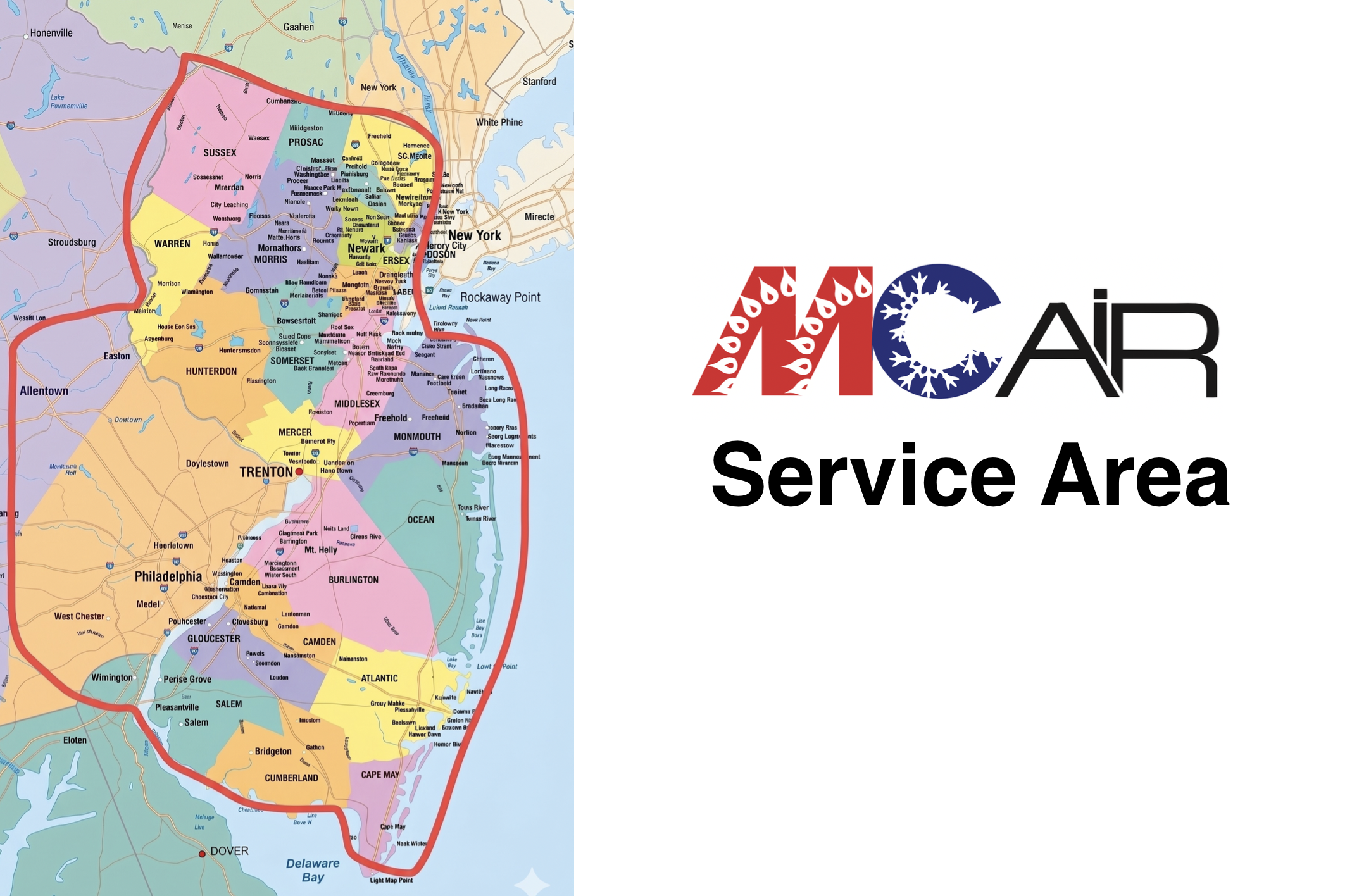
Yesterday, I was searching for local HVAC maintenance companies when I came across one with a map showing their service area.
At a quick glance, it seemed fine but that was no longer the case once you zoomed in: it was a collection of hallucinated, non-sensical names. I too said, “how in the world was this reviewed and approved!?”, and then quickly came to the same conclusion that you did: “nobody gives a shit about this stuff anymore”.
That’s a scary thought (at least, to me). But all change is scary.
The thought is a new wave of people who only know LLM-generated sites, so those design patterns are what they demand/emulate/etc. across the spectrum of user interfaces.
The only previous trend I can draw a parallel to was when Comic Sans and Microsoft Clip Art dominated every flyer and poster.
Maybe it’s my weird aesthetic but I liked this style since before llm. My designs were pretty similar and boxy with fake shadows. Also, this specific one reminds me of the style that dev.to I think had a few years ago, and back then it was very different. So I would say I like it even though I have seen other designs. I also like very brutalist, Craigslist like design and Japanese websites. Not a fan of very advanced designs.
I remember this “time” in my US classroom where we were all punished with if one person damaged classroom property (or worse, school property) but no one was willing to speak up and tell on the offender.
I have similar stories from our local neighborhoods where another parent might yell at you but the tales of your exploits made it home before you did. And there consequences waiting for you.
It’s a matter of timeline, not country.
By the late 1990s, I started to see said teachers pushing kids along as to 1) not deal with them again, and 2) pressure from district/state to not have as many failing students a.k.a. optimizing for the metric.
This just brought back bad memories of websites manipulating the clipboard when copying text. The ones that append the website attribution with full URL is a crime against humanity.


Virginia Tech’s athletic teams are named Hokies.
https://en.wikipedia.org/wiki/Virginia_Tech_Hokies
reply